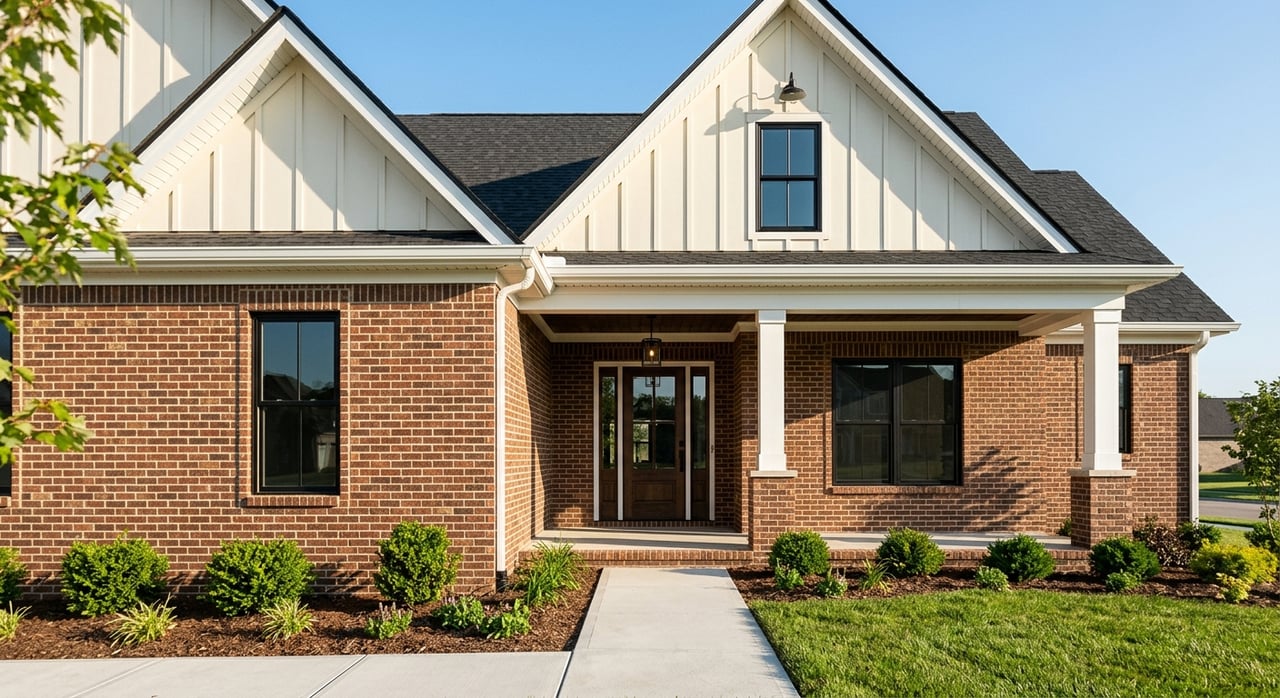
Building a Home in Union KY: What to Know First
July 9, 2026
July 9, 2026
If you’re thinking about building a new construction home in Union, you’re probably balancing excitement with a lot of questions. You want the finishes, layout, and newer systems that come with a new build, but you also need to understand timelines, utilities, permits, and what can affect your closing date. This guide walks you through the key steps and local considerations so you can plan with more confidence in Union, KY. Let’s dive in.
Union stands out as a higher-priced submarket within Boone County, and homes there have been moving quickly. Zillow’s May 2026 data shows a typical home value of $458,857 in 41091 compared with $350,971 in Boone County, and homes in 41091 were going pending in about 14 days. Realtor.com also classified both Boone County and 41091 as seller’s markets in May 2026.
For you as a buyer, that means the decision between resale and new construction is not only about price. It is also about customization, timeline, and negotiation room. A resale home may get you moved in faster, while a new build may give you a more tailored layout, newer systems, and builder warranty coverage.
Before you choose a community, builder, or lot, get clear on what matters most to you. Some buyers want the shortest path to occupancy, while others are willing to wait for specific design choices or a certain homesite.
A few helpful priorities to define early include:
When you know your non-negotiables, it becomes much easier to compare new construction options in Union without getting distracted by upgrades or marketing extras.
One of the biggest mistakes buyers make is assuming every lot has the same utility setup. In Union, the city’s utility FAQ points buyers to Boone County Water District for water service, Sanitation District No. 1 for sewer service, and either Duke Energy or Owen Electric for electric service depending on the address.
That said, utility service can vary by property. NKWD also serves portions of Boone County more broadly, so you should verify the exact providers for the specific lot you are considering instead of relying on assumptions.
If a lot does not have public sewer, you may need an onsite septic site evaluation and permit through NKY Health. The health department says the process includes choosing a site and submitting an evaluation application, and local building code offices may require septic inspection before a building or remodeling permit is issued.
This makes sewer availability a major part of lot selection, especially on fringe or more rural parcels. In some parts of Boone County, public water is still being extended to rural streets, so even nearby lots may not have identical service access.
A lot may look buildable at first glance, but that does not always mean your preferred home plan will fit. Boone County’s zoning permit application requires a scaled plot plan that shows the lot, setbacks, easements, utility locations, drainage, and nearby streams, creeks, or rivers.
If the lot is not in a subdivision, the application must also include the deed or conveyance plat and adjoining addresses. In practical terms, your planning process needs to go beyond choosing a floor plan. You also need to confirm that the home can sit on the lot within the approved building envelope and service layout.
The City of Union says the Boone County Planning Commission oversees planning and zoning issues in Boone County, while the Union Board of Adjustment handles variances and conditional-use permits. If your plan needs setback relief or another exception, that can add another layer to the process.
This is one reason early due diligence matters. A lot that seems perfect can become more complicated if the plan needs board review before construction can move forward.
The base price is only part of the total cost of a new construction home. Boone County’s planning fee schedule separates items such as subdivision review, grading-plan review, and public-improvement inspections from the building permit process.
The City of Union also notes that financing sanitary sewer tap-in fees or streetlight assessment fees can create separate tax bills. For you, that means the real budget conversation should include more than lot premium and design-center upgrades.
Ask direct questions about:
These details can affect your final cost more than buyers expect, especially if parts of the site work happen in separate phases.
In Boone County, the zoning permit must be issued before a building permit can be granted. Kentucky’s Department of Housing, Buildings and Construction says local county or city officials inspect single-family homes in jurisdictions with an inspection program, with enforcement shared between state and local government under the Kentucky Residential Code.
Boone County’s single-family inspection sequence includes footer, foundation or slab, vapor barrier or insulation on walkouts, frame and fire blocking, insulation, apron or sidewalk if applicable, and final inspection. That sequence helps explain why build timelines can shift, even when the framing appears to be moving fast.
Boone County also says building permits are required when electrical, mechanical, gas, or plumbing systems are installed, enlarged, altered, repaired, or removed. HVAC permits are separate, the rough HVAC inspection is required before insulation, and the final HVAC inspection happens when the structure is ready for occupancy.
The county also states that the contractor, not the homeowner, is responsible for coordinating final HVAC inspection and must be on site for inspections. For you, this means your closing date depends on more than visible construction progress. Permit timing, trade readiness, and inspection scheduling all play a role.
While every builder and homesite is different, the local process usually follows a predictable path. A helpful mental model is:
This step-by-step view can help you set expectations and ask better questions during the build. It also shows where delays are most likely to happen, especially before permits are issued or when trades are waiting on inspections.
New construction contracts often look different from resale agreements, and the details matter. The CFPB recommends making a purchase contract contingent on financing and a satisfactory inspection.
Builders may also ask for upfront earnest money. You should ask when that deposit is refundable and make sure you understand the deadlines tied to financing, inspections, selections, and change orders.
You are not required to use a builder’s affiliated lender simply because it is offered at the sales office. The CFPB notes that buyers can shop for their own lender instead of automatically using the builder’s lending partner.
That makes it smart to compare loan terms, closing costs, and how each lender handles new construction timelines. A lender that understands the build process can help you prepare for extensions or milestone-based updates.
Even though the home is new, an independent inspection still matters. The CFPB advises buyers to schedule an independent home inspection as soon as possible, attend it if they can, and do a final walk-through before closing.
If your contract is contingent on a satisfactory inspection, serious issues may give you the chance to renegotiate or cancel without penalty. That protection can be especially important when the home moves quickly from near-complete to closing.
Your final walk-through is your chance to confirm agreed repairs, check visible finishes, and review items that belong on the punch list. This is often where smaller issues become easier to spot because the home is complete and cleaned out.
A careful walk-through helps you enter closing with a clearer record of what still needs attention. It also helps you separate cosmetic touch-ups from larger concerns that should be addressed before occupancy.
Most newly built homes come with a builder warranty, but that is different from a home warranty or service contract. According to the FTC, common builder warranty patterns are one year for workmanship and materials, two years for HVAC, plumbing, and electrical systems, and up to 10 years for major structural defects, though actual coverage varies by builder and component.
That means you should review the warranty package line by line. Pay close attention to what is covered, what is excluded, how claims must be submitted, and whether there are deadlines for reporting issues after closing.
The FTC also notes that FHA and VA financing can require third-party warranties on newly built homes. If you plan to use one of those loan types, confirm the warranty package early in the process.
This is one of those details that can feel minor at first but become very important later. Matching the loan requirements with the builder’s documentation early can help avoid last-minute delays.
In Union, the choice between new construction and resale often comes down to process as much as price. Resale may offer a shorter path to move-in, while new construction often gives you customization, newer systems, and builder warranty coverage.
At the same time, new construction adds more moving parts. Utility verification, zoning review, permit sequencing, trade coordination, and inspection milestones all affect the timeline.
If you want help comparing a new build with resale options in Union or anywhere in Boone County, Nicole Elliott offers responsive, full-service buyer guidance to help you evaluate the details, protect your timeline, and make a confident move.
STAY UP TO DATE ON THE LATEST REAL ESTATE TRENDS

Get assistance in determining current property value, crafting a competitive offer, writing and negotiating a contract, and much more. Contact Nicole today to discuss all your real estate needs!